If you picture Venice as one thing, you will probably miss what makes it so compelling. In a relatively compact coastal neighborhood, you can move from quiet walk streets and canal-front paths to busy beach blocks, flexible loft-style spaces, and major lifestyle corridors in just a few minutes. If you are trying to buy or sell here, understanding those differences can help you make a smarter move. Let’s dive in.
Why Venice Feels So Distinct
Venice is shaped by more than its beach address. City planning materials describe it as a pedestrian-oriented neighborhood, with historic walkways connecting residential areas to the beach, the canals, and key commercial corridors. That structure gives Venice a layered feel that is different from many other coastal communities.
In daily life, that means your experience can vary a lot by micro-location. One pocket may feel calm and residential, while another feels tied closely to restaurants, visitors, events, or beach activity. For buyers and sellers alike, that local variation is one of the most important things to understand.
Venice Micro-Locations Matter
Venice is not a single-beat neighborhood. Planning materials identify Abbot Kinney Boulevard, Ocean Front Walk, and Rose Avenue as major activity corridors, with Rose Avenue specifically noted as a restaurant corridor. Those areas shape how different parts of Venice live from morning to night.
If you are home shopping, it helps to think less about Venice as a whole and more about the kind of daily experience you want. If you are selling, it helps to position your home around the lifestyle your exact location offers, not just the broader neighborhood name.
Walk Streets Offer A Different Rhythm
Venice’s walk streets are one of its defining local features. Planning documents note that these pedestrian ways are part of the neighborhood’s historic fabric, and coastal planning rules require new development along walk streets to support public access and neighborhood character, including front doors and windows facing the pedestrian path.
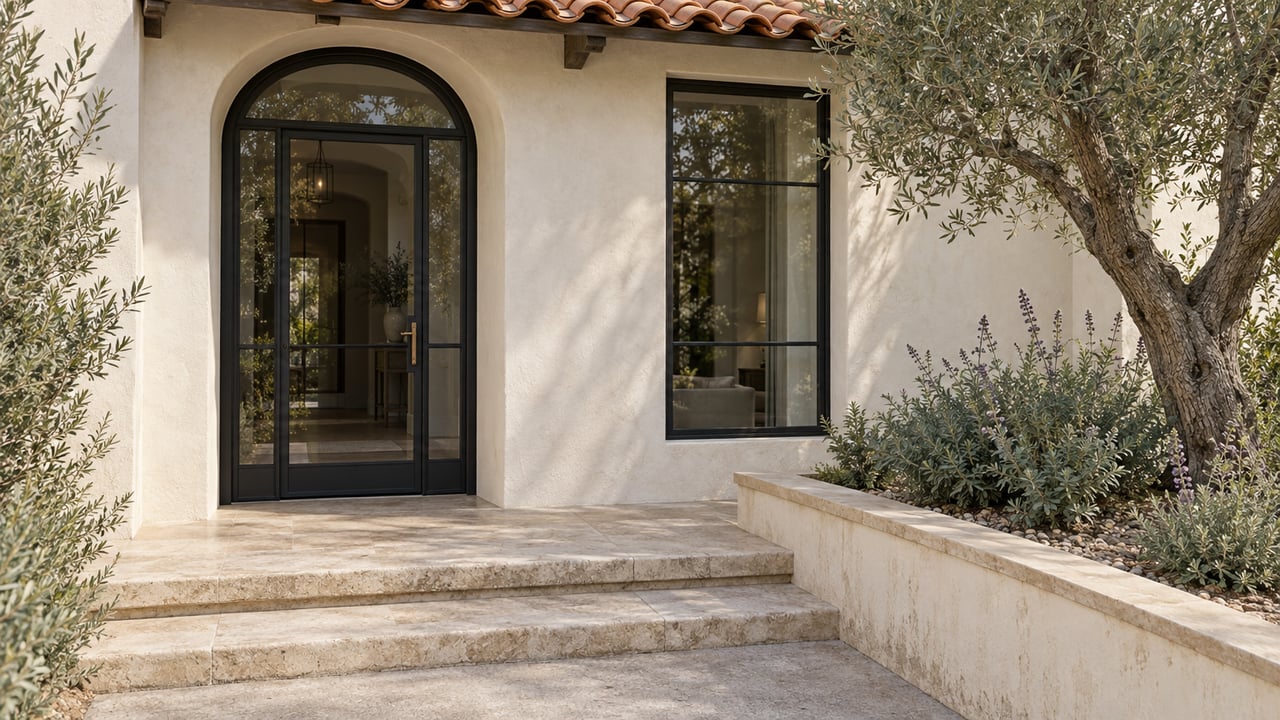
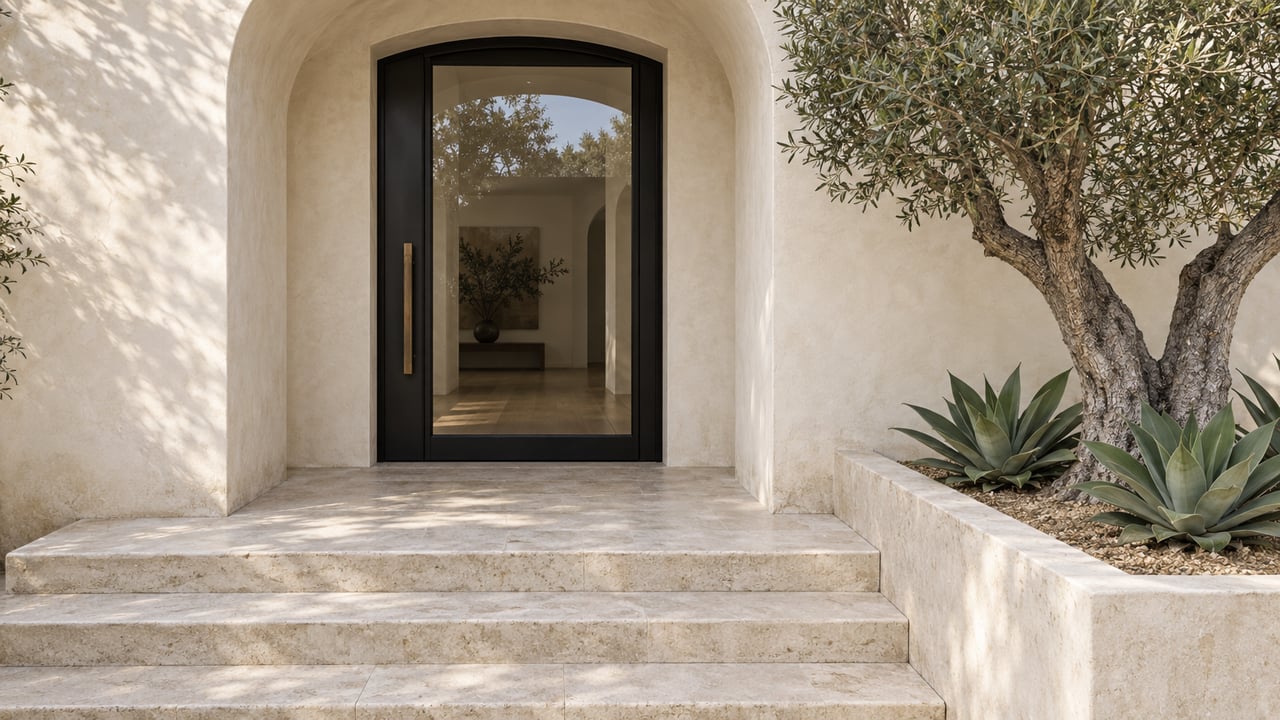
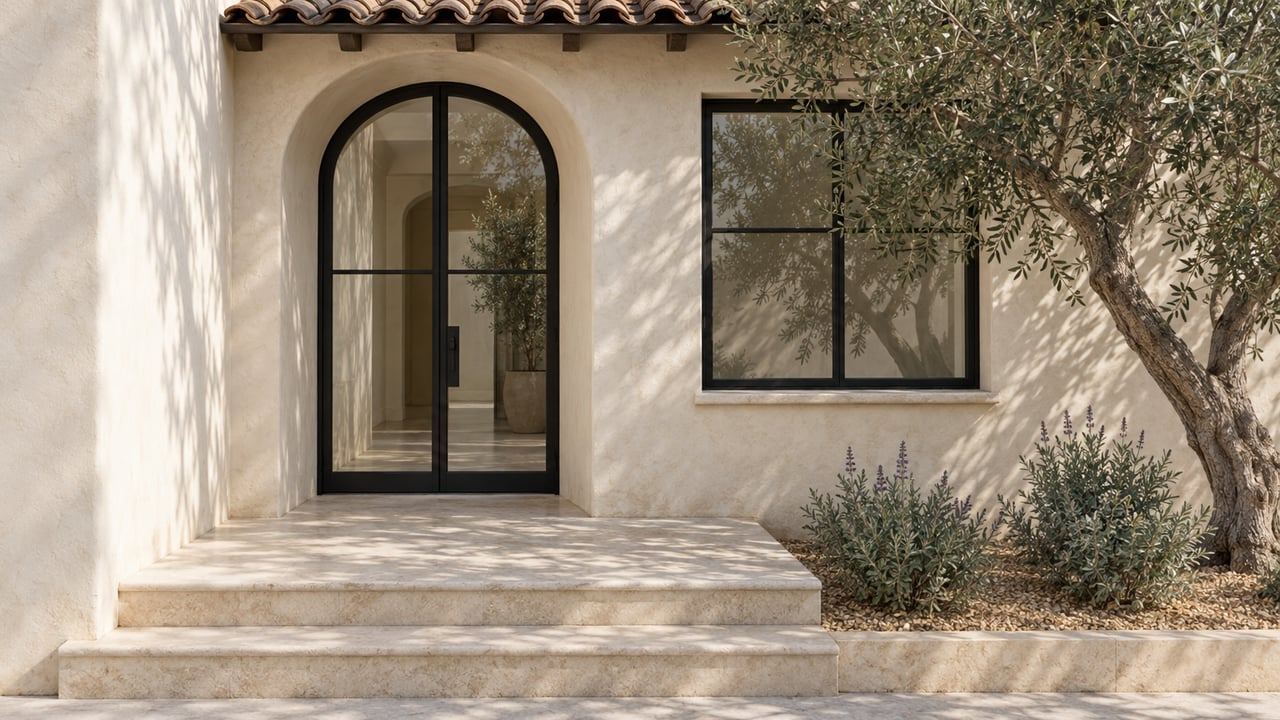
That design creates a very specific kind of street experience. Here, the approach to a home often feels more personal and more connected to the pedestrian environment than a standard curb-and-driveway setup. For many buyers, that is part of the appeal.
Canals Bring A Rare Setting
The canal story in Venice is both historic and present-day. Planning materials explain that while many original canals were filled in and converted into streets or folded into the walk-street system, the remaining canal area still gives Venice a highly recognizable identity.
The Venice Canal Historic District includes six canals, sidewalks, and pedestrian and vehicular bridges, and non-motorized boating is permitted. That creates a setting that feels visually distinct from the broader Los Angeles market and offers a different pace of living than homes closer to the beach or major corridors.
Beach Blocks Bring More Energy
Venice’s public realm plays a huge role in how the neighborhood feels. City planning materials highlight Venice Beach, the pier, the skate park, the recreation center, Ocean Front Walk, the Marvin Braude Bike Trail, and the California Coastal Trail as part of everyday life here.
That access is a major draw, but it also comes with a more active environment. The Los Angeles Parks Department says Ocean Front Walk is the second-most visited destination in Southern California, with more than 10 million visitors each year and roughly 28,000 to 30,000 daily visitors. For some buyers, that energy is the point. For others, it is a reason to look a few blocks inland.
Home Styles Across Venice
One of Venice’s strengths is that the housing stock is not one-note. Official planning materials describe a mix of single-family houses and multi-family housing, including bungalow courts, apartment houses, and garden apartments. Architectural styles include Craftsman, Shingle, Prairie, Streamline, Late Modern, and Postmodern.
That mix gives Venice a broader range of housing character than many buyers expect. You may see a historic home on a walk street, a canal-adjacent residence with a strong indoor-outdoor feel, a modern condo near a corridor, or a loft-like space shaped by adaptive reuse and live/work planning concepts.
Historic Districts Shape Character
Planning materials identify three residential historic districts in Venice: Milwood Venice Walk Streets, North Venice Walk Streets, and Lost Venice Canals. These areas help preserve some of the neighborhood’s most recognizable residential patterns and reinforce the sense that Venice’s identity is tied to both architecture and movement through space.
For buyers, that often means the setting around the home matters almost as much as the floor plan. For sellers, it means the story of the property should include its street context, architectural style, and relationship to the larger neighborhood fabric.
Lofts And Flexible Living Have A Place
Venice is also known for homes that feel more flexible than traditional residential product. City planning materials emphasize adaptive reuse and live/work opportunities in select areas, which helps explain why some properties read more like lofts or creative-use spaces.
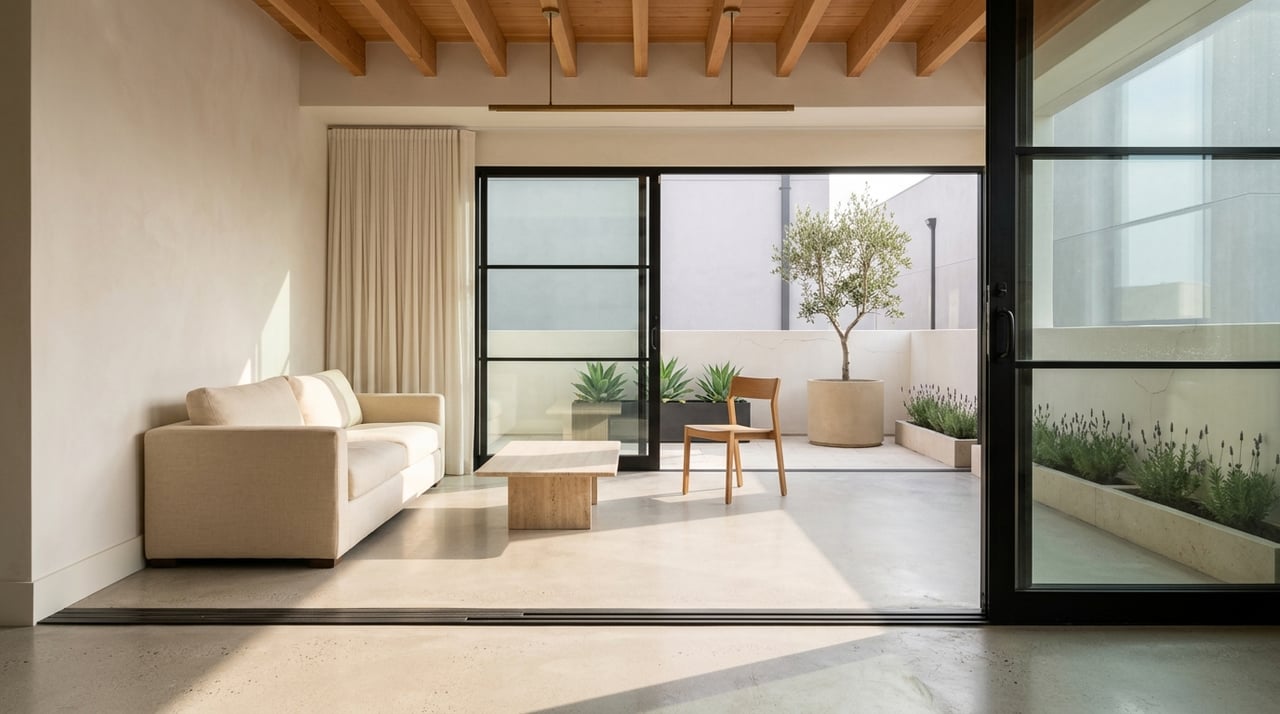
That can be especially appealing if you want design-forward living, open layouts, or a home that supports a more flexible day-to-day routine. It also means buyers should evaluate each property on its actual use, layout, and location rather than assuming every Venice home fits the same mold.
What Daily Life Looks Like
Venice living is shaped as much by public space as by the home itself. Walk streets provide access to historic districts and coastal amenities, and the canals support canoeing and kayaking. The bike trail and coastal trail add another layer of mobility that many residents use as part of their normal routine.
This is part of why Venice feels unusually active for a beach neighborhood. Planning materials describe the boardwalk, Abbot Kinney, and surrounding streets as places where residents, visitors, and events intersect, including events such as the Abbot Kinney Festival and Venice Art Crawl.
If you are considering a move, it helps to think about what kind of daily pattern fits you best:
- Walk-street living for a pedestrian-oriented residential setting
- Canal-area living for a quieter and visually distinctive environment
- Beach-adjacent living for direct access and constant activity
- Corridor-oriented living for proximity to restaurants, retail, and a more urban rhythm
Venice Market Snapshot
Venice remains firmly in luxury territory, though the exact pricing metric varies by source. As of April 30, 2026, Zillow reported an average home value of $1,830,588, with 205 homes for sale and homes going pending in around 31 days. Redfin showed a Venice neighborhood value of $1,899,294 in April 2026, while Realtor.com reported a median listing price of $2.295 million, 280 homes for sale, and a median 50 days on market.
Taken together, those numbers suggest a high-value market with limited but active inventory. That matters if you are buying, because product type and micro-location can have a big impact on what feels like value. It also matters if you are selling, because strong presentation and pricing discipline are especially important in a market where buyers tend to compare homes closely.
Condos And Townhomes Expand Options
Venice is not only a detached-home market. Redfin condo data showed 78 condos for sale at a median listing price of $1.6 million, along with inventory that included condos, townhouses, and multi-family units. The same source lists Venice as a fairly walkable neighborhood with a Walk Score of 83.
That broader mix can open the door for buyers who want Venice lifestyle access without targeting a single-family home. It also gives sellers of condos and townhomes a clear audience, especially when a property offers strong design, location benefits, or a distinct indoor-outdoor connection.
What Buyers Should Weigh
In Venice, the biggest trade-off is often not house versus condo. It is experience versus location. Planning context and market data both support the idea that the neighborhood offers very different living environments within the same ZIP-area identity.
As you compare properties, it helps to weigh a few practical questions:
- How much daily activity do you want outside your door?
- Do you prefer a pedestrian path, canal edge, major corridor, or beach block?
- Is your priority historic character, architectural flexibility, or a more contemporary layout?
- How important is walkability to restaurants, trails, and the shoreline?
A clear answer to those questions can narrow your search quickly. In Venice, the right fit often comes from matching your routine to the right pocket of the neighborhood.
What Sellers Should Highlight
If you are selling in Venice, broad neighborhood branding is not enough. Buyers often respond most strongly when a home is positioned around its exact lifestyle setting and architectural identity.
That may mean highlighting walk-street access, canal proximity, beach connectivity, loft-like flexibility, or the relationship to major corridors like Abbot Kinney or Rose Avenue. In a market this nuanced, thoughtful preparation, strategic pricing, and a polished launch can help your home stand out.
Coastal Planning Is Part Of The Conversation
Because Venice sits so close to the coast, planning and long-term coastal conditions are part of the ownership picture. Los Angeles City Planning states that Venice’s beach area and canal system are particularly vulnerable to sea level rise, and the updated Local Coastal Program is intended to address coastal hazards and climate-related risks.
For buyers, that means it is wise to understand not only the home itself but also the planning context around it. For sellers, it reinforces why informed guidance and well-organized transaction management matter in a complex coastal market.
Venice offers something few neighborhoods can: a blend of historic pedestrian design, canal-side living, beach access, and modern architectural variety within one coastal community. If you want help sorting through Venice’s micro-locations, property types, and market positioning, Marie Morgenstern offers calm, high-touch guidance tailored to coastal Southern California moves.
FAQs
What makes Venice different from other Los Angeles beach neighborhoods?
- Venice combines beach access with historic walk streets, canals, major activity corridors, and a wide mix of home styles, creating very different lifestyle pockets within one neighborhood.
What types of homes can you find in Venice?
- Venice includes single-family homes, condos, townhomes, multi-family properties, bungalow courts, apartment houses, garden apartments, and some loft-like or flexible living spaces tied to adaptive reuse and live/work patterns.
What are Venice walk streets?
- Venice walk streets are pedestrian-oriented residential pathways that are part of the neighborhood’s historic layout and are designed to support access and neighborhood character.
What is it like to live near the Venice Canals?
- Canal-area living offers a visually distinctive setting with canals, bridges, and pedestrian paths, and the area allows non-motorized boating such as canoeing and kayaking.
How active is the Venice Beach and boardwalk area?
- The beach and Ocean Front Walk area are very active, with major public spaces, trails, recreation amenities, and a visitor count that the Los Angeles Parks Department says exceeds 10 million annually.
Is Venice a walkable neighborhood for daily living?
- Yes. Venice is planned as a pedestrian-oriented neighborhood, and Redfin lists it as fairly walkable with a Walk Score of 83.
What should buyers focus on when choosing a home in Venice?
- Buyers should focus on micro-location, daily activity level, housing style, and how closely a property aligns with the lifestyle they want, whether that is canal calm, walk-street privacy, beach energy, or corridor access.