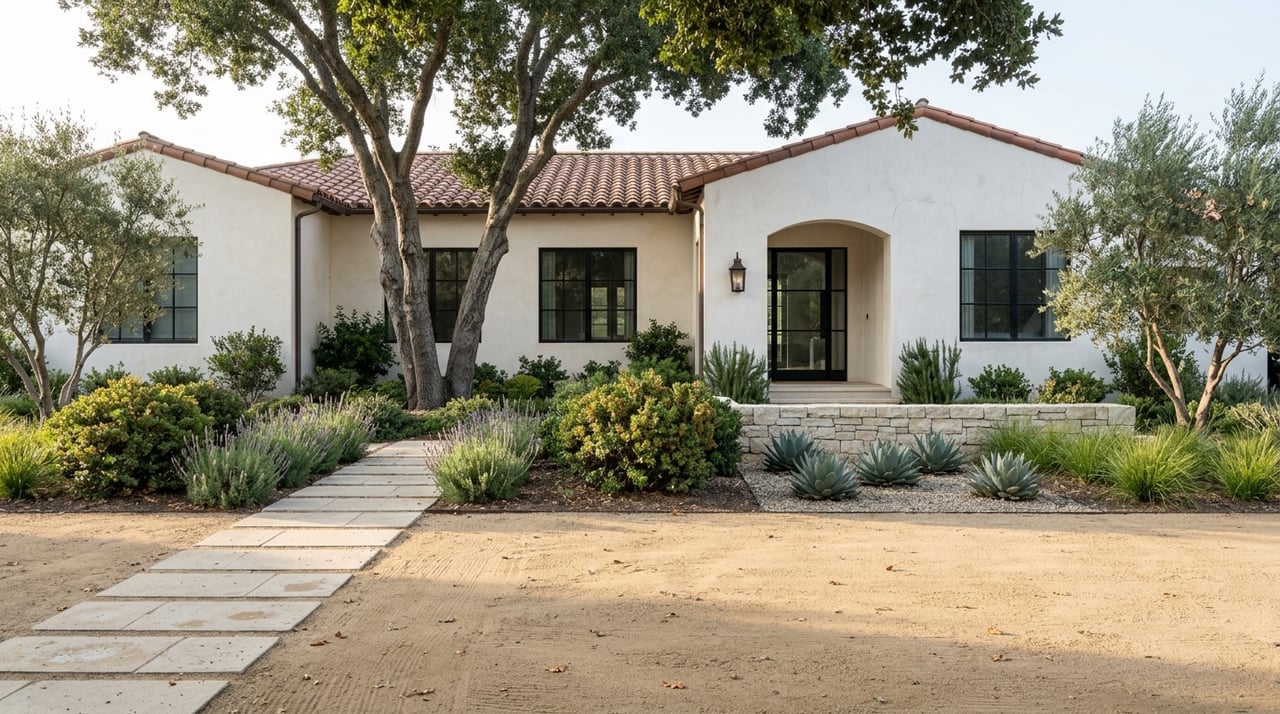
Looking for a quieter Peninsula lifestyle without giving up access to the South Bay? Rolling Hills Estates offers a setting that feels noticeably different from nearby beach communities, with more open space, established homes, and a strong outdoor lifestyle. If you are considering a move to this part of Los Angeles County, it helps to understand what truly shapes the city’s character, housing, and day-to-day convenience. Let’s dive in.
Why Rolling Hills Estates Feels Unique
Rolling Hills Estates is a small hilltop city on the northern side of the Palos Verdes Peninsula. According to city data, it has 8,033 residents, 4.18 square miles of land area, and 3,184 housing units. Even at a glance, that smaller scale helps explain why the city feels more tucked away than denser coastal areas nearby.
Its semi-rural identity is not just a marketing phrase. City history and planning materials show that preserving a rural atmosphere and equestrian lifestyle has been part of the community vision since incorporation in 1957. That long-term planning focus still shapes the way the city looks and functions today.
You can see that character in the landscape itself. Rolling hills, white fences, tree-lined streets, bridle trails, and open space create a setting that feels calm and distinctly Peninsula-oriented rather than beach-town busy. For many buyers, that is the appeal.
Housing in Rolling Hills Estates
Single-family homes dominate
Rolling Hills Estates is overwhelmingly a single-family home market. The city’s housing element states that about 97% of the housing stock is single-family, with multi-family and mobile homes making up the remaining 3%. If you are hoping for space, privacy, and a more residential feel, that pattern is a major part of the city’s identity.
Lot size also matters here. The smallest allowable lot size for single-family homes is 10,000 square feet, according to the city’s housing element. Combined with the area’s hilly topography, that helps explain why the city feels lower density than many other parts of coastal Los Angeles County.
Established homes shape the market
This is not a market defined by large waves of new construction. City housing data show that about 93% of homes are more than 30 years old, and 80% are more than 50 years old. In practical terms, that means you are often looking at established homes, long-held properties, and opportunities where updates or remodeling may be part of the conversation.
For buyers, this can mean more architectural variety and mature surroundings. For sellers, it can also highlight the value of thoughtful preparation, presentation, and clear pricing when bringing a home to market.
Price point and variety
The Census Bureau’s 2020 to 2024 estimate places the median value of owner-occupied housing units at $1,692,600. That figure helps set expectations for the city’s price point and the level of demand tied to its space-first lifestyle.
While single-family homes define the market, there is some housing variety near the commercial core. City land use and housing documents note limited multi-family and mixed-use options in those areas. That can be useful if you want a Rolling Hills Estates location with somewhat easier access to shops and services.
Outdoor Living Is a Major Draw
Parks, trails, and equestrian amenities
Outdoor life is one of the clearest reasons people are drawn to Rolling Hills Estates. The city says it owns and maintains seven parks, 25 miles of equestrian trails, and 10 miles of bicycle paths. For a city of this size, that is a substantial recreation network.
The equestrian influence is especially notable. Rolling Hills Estates also highlights its tennis club and stables, reinforcing that horse-oriented lifestyle remains part of daily life here rather than just a historical detail.
Ernie Howlett Park stands out
Ernie Howlett Park is a central recreation hub in the city. It is home to the Rolling Hills Estates Tennis Club and the Equestrian Center, with three riding rings, a dressage area, and a grandstand. That mix of facilities reflects how the city’s recreation system supports both traditional park use and equestrian activity.
If you are comparing Peninsula cities, this is one of the clearest points of difference. Rolling Hills Estates offers amenities that align closely with its pastoral identity.
Access to preserved open space
The broader natural setting adds even more appeal. The Palos Verdes Peninsula Land Conservancy manages Chandler Preserve and George F Canyon Preserve in Rolling Hills Estates, and the larger Palos Verdes Nature Preserve system spans about 1,400 acres with more than 30 miles of trails.
That means you are not limited to neighborhood walks alone. You also have convenient access to hiking, scenic open space, and nature-focused recreation across the Peninsula.
Trail use has a distinct feel
The city’s trail rules also help preserve that atmosphere. Rolling Hills Estates notes that bicycles and e-bikes are not allowed on equestrian trails. That may sound like a small detail, but it contributes to a trail system that feels more deliberately pastoral and less like a busy multi-use urban network.
Mild weather supports year-round use
Climate also plays a role in everyday lifestyle. The city reports mild average temperatures and about 11.72 inches of annual rainfall. If outdoor time matters to you, Rolling Hills Estates offers a setting where parks, trails, and open-air recreation can be part of your routine throughout the year.
Daily Errands and Local Conveniences
Rolling Hills Estates may feel quieter and more spread out, but it still offers a practical commercial core. Promenade | PV at 550 Deep Valley Drive and Peninsula Shopping Center at 67 Peninsula Center anchor much of the city’s shopping and services. These areas include restaurants, a movie theater, an ice rink, fitness options, medical and dental offices, and other everyday needs.
The Peninsula Center Library is also located in Rolling Hills Estates. That gives residents access to a civic resource close to home, which can add convenience to day-to-day life on the Peninsula.
For many buyers, this balance is important. You get a more serene residential setting without needing to leave the Peninsula for every errand.
Commuting and Getting Around
A car-oriented layout
Rolling Hills Estates is still largely a driving-oriented city. City materials note 30 miles of city streets and 11.3 centerline miles of arterial and secondary streets. Along with the hillier street layout, that creates a transportation pattern that feels different from flatter, more grid-based beach communities.
If you are relocating from a more urban neighborhood, this is worth understanding early. The trade-off for extra space and a quieter feel is that daily mobility often revolves around driving.
Local transit options
Public transit is available through the Palos Verdes Peninsula Transit Authority. The system operates on weekdays only and provides seven bus routes connecting residential areas with schools, libraries, commercial areas, and regional bus lines.
For commuters, Route 225-226 provides peak-hour service between Redondo Beach and San Pedro. Even so, most households in Rolling Hills Estates still plan around car travel first, with local bus service serving as a helpful secondary option.
School Context to Verify by Address
Rolling Hills Estates falls within the Palos Verdes Peninsula Unified School District, which serves the four Peninsula cities. The district also notes that some addresses within city limits are optional attendance areas. Because of that, school assignment should be verified by exact property address rather than city name alone.
Palos Verdes Peninsula High School is located in Rolling Hills Estates. For relocation-minded buyers, that may be a useful point of reference when evaluating location and daily routines.
Who Rolling Hills Estates Appeals To
Rolling Hills Estates tends to stand out for buyers who want more space, established homes, and strong access to trails and open land. It can also appeal to those who want to stay connected to the South Bay while living in a more tucked-away environment.
If you are deciding between a beachfront lifestyle and a quieter Peninsula setting, this city offers a clear alternative. You are still close to coastal Southern California amenities, but the residential experience is shaped more by land, trails, and long-term planning than by density and constant activity.
For sellers, the city’s housing profile can also affect how a home is positioned. In a market of established properties and larger lots, details like condition, updates, presentation, and pricing strategy often carry real weight.
The Bottom Line on Rolling Hills Estates
Rolling Hills Estates is best understood as a space-first Peninsula market. Its semi-rural character comes from decades of planning, a predominantly single-family housing stock, larger lots, equestrian infrastructure, and preserved open space. That identity is built into the city itself, not layered on afterward.
If you are considering a move here, it helps to look beyond simple map proximity to the coast. The real story is how the city lives day to day, and in Rolling Hills Estates, that means a quieter rhythm, outdoor access, and a residential setting that feels distinct within the South Bay.
If you are exploring Rolling Hills Estates or planning a move within the South Bay, Marie Morgenstern offers the local insight, relocation guidance, and hands-on support to help you navigate the process with clarity.
FAQs
What is the overall lifestyle in Rolling Hills Estates?
- Rolling Hills Estates is known for a semi-rural Peninsula lifestyle shaped by open space, equestrian trails, established homes, and a quieter residential feel than nearby beach cities.
What types of homes are most common in Rolling Hills Estates?
- According to the city’s housing element, about 97% of the housing stock is single-family, with limited multi-family and mobile home inventory making up the remainder.
Are homes in Rolling Hills Estates generally newer or older?
- Most homes are established rather than new, with city data showing about 93% of housing is more than 30 years old and 80% is more than 50 years old.
What outdoor amenities does Rolling Hills Estates offer?
- The city reports seven parks, 25 miles of equestrian trails, 10 miles of bicycle paths, a tennis club, and equestrian facilities, along with access to nearby preserved open space.
Is Rolling Hills Estates convenient for daily errands?
- Yes, the city has a compact commercial core with shopping, dining, entertainment, fitness, medical offices, and a local library, giving residents practical everyday conveniences on the Peninsula.
How do commutes work in Rolling Hills Estates?
- Rolling Hills Estates is primarily car-oriented, though the Palos Verdes Peninsula Transit Authority provides weekday bus service connecting residential areas with schools, libraries, commercial areas, and regional transit links.
How should buyers verify school attendance in Rolling Hills Estates?
- Because some addresses are in optional attendance areas within the Palos Verdes Peninsula Unified School District, buyers should confirm school assignment by exact property address.