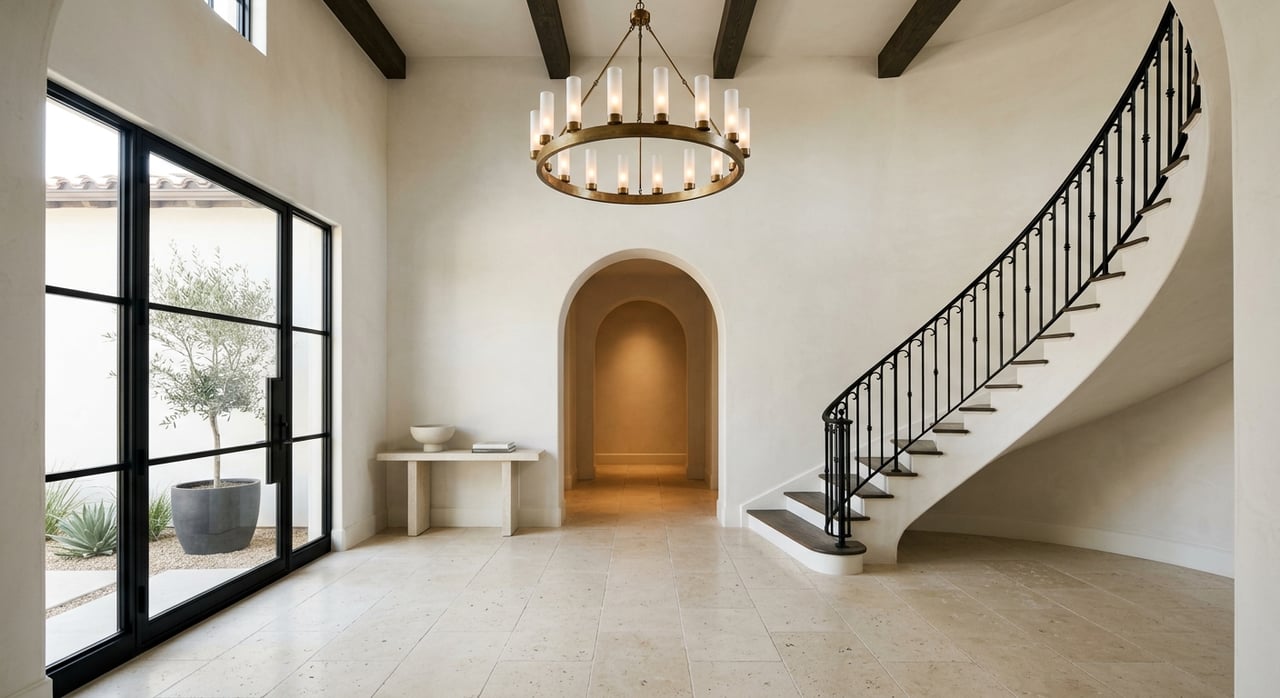
Looking for a coastal community that feels private, scenic, and deeply established rather than busy and built up? Palos Verdes Estates offers a very specific kind of luxury living, one shaped by ocean views, open space, architectural continuity, and a residential setting that feels set apart from much of Los Angeles County. If you are exploring a move to the Peninsula or comparing coastal luxury enclaves, this guide will help you understand what makes Palos Verdes Estates distinct. Let’s dive in.
What Defines Palos Verdes Estates
Palos Verdes Estates is the oldest of the four cities on the Palos Verdes Peninsula, incorporated in 1939 and originally planned as a residential community by Frank A. Vanderlip and the Olmsted Brothers. That early vision still shows up today in the city’s winding roads, green hillsides, and strong emphasis on preserving scenic character.
A major part of that identity is open space. City materials state that 28% of the land area was dedicated to permanent open space, which helps explain why the community feels expansive and quiet compared with denser coastal markets.
The city also maintains a low-density, predominantly single-family pattern. In 2020, 92.3% of housing units were single-family detached, and nearly 90% of residents were homeowners, according to the city’s housing data. If you want a luxury coastal setting that reads as residential first, this is one of the clearest examples in the South Bay.
Why the Setting Feels So Private
Palos Verdes Estates sits on a peninsula, and the city notes that access is naturally limited by geography. That physical layout contributes to a more secluded atmosphere, even though it remains connected to surrounding South Bay and greater Los Angeles destinations.
This is not a place defined by heavy commercial corridors or an urban street grid. Instead, the environment is shaped by residential roadways, ocean and hillside views, street trees, and blue skies, which the Planning Commission identifies as part of the city’s charm.
For many buyers, that translates into a slower-paced lifestyle. You are not choosing Palos Verdes Estates for nonstop activity at your doorstep. You are choosing it for space, views, and a more composed coastal experience.
Architecture Shapes the Experience
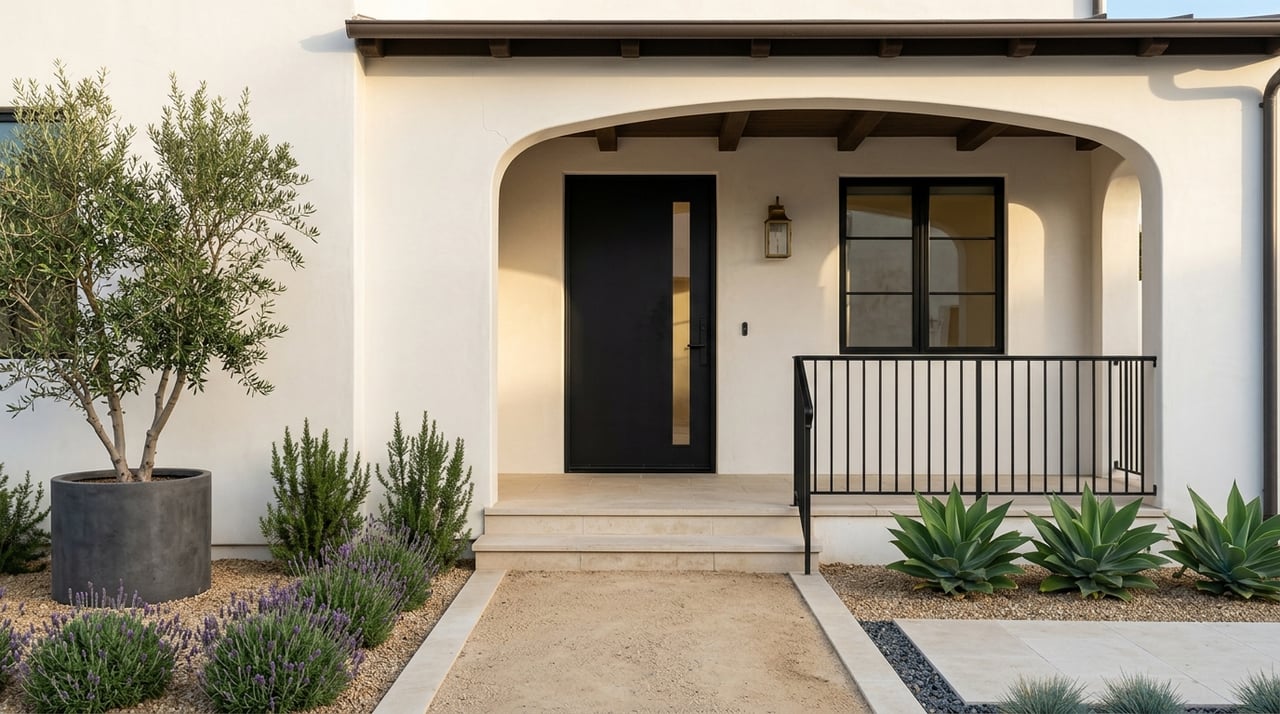
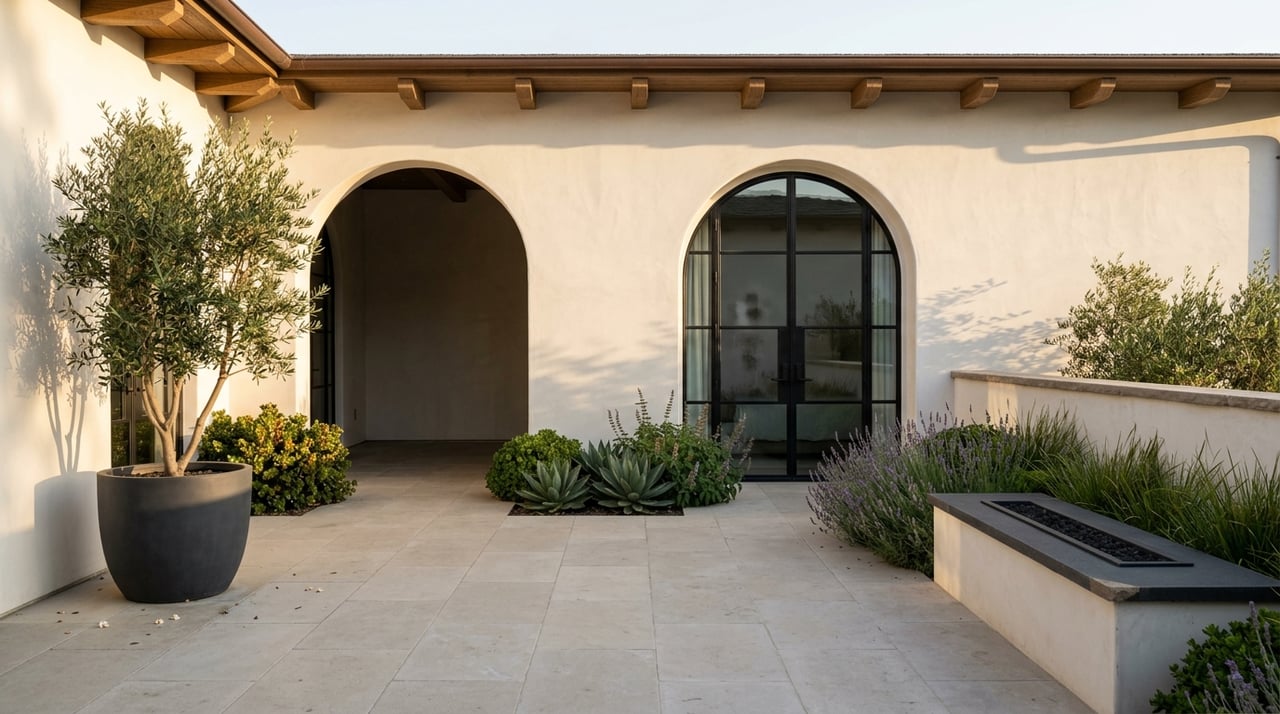
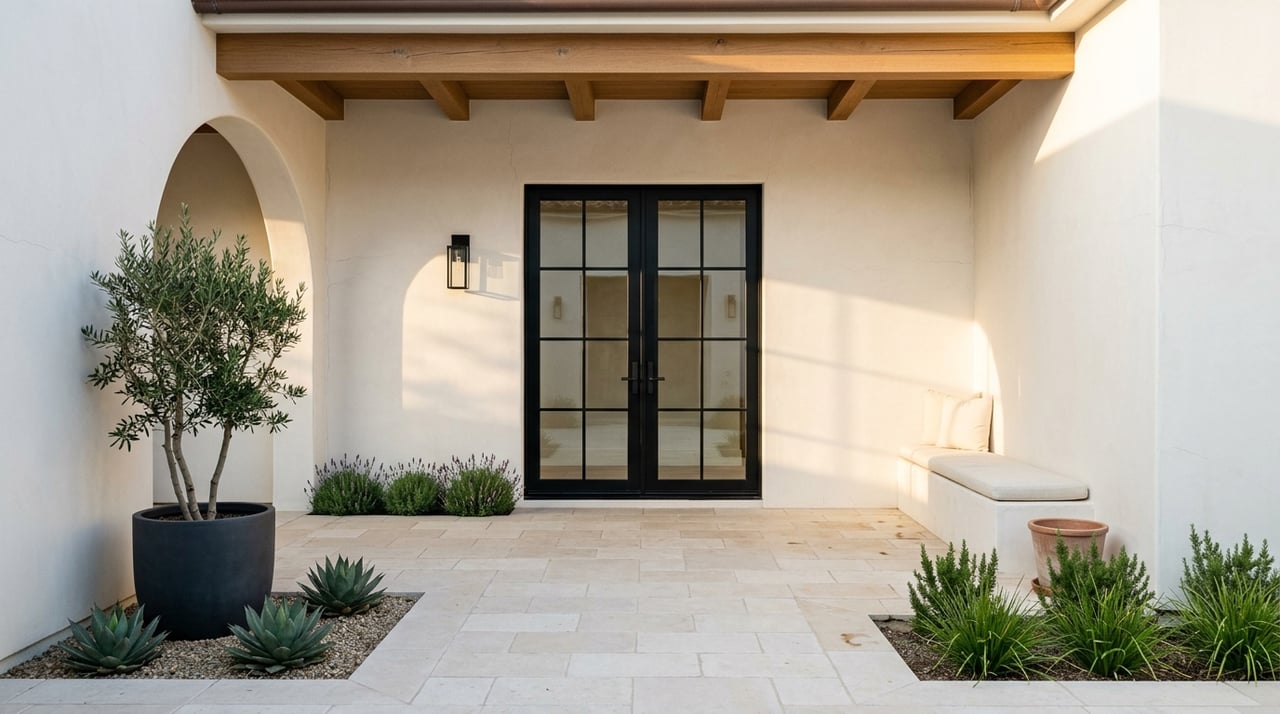
One of the first things you notice in Palos Verdes Estates is how cohesive the built environment feels. The city traces its first Spanish-style homes to the early 1920s, and Mediterranean Revival architecture remains central to the community’s identity.
Malaga Cove Plaza is the best-known example. The city identifies it as the centerpiece of local Mediterranean Revival architecture, and it is listed on the National Register of Historic Places.
Other landmarks reinforce that historic character, including the Palos Verdes Bathhouse and Beach Club, the Malaga Cove School, the Farnham Park Fountain, and the Neighborhood Church of Palos Verdes, which occupies a 1928 Mediterranean-style mansion. Together, these places create a setting that feels curated over time rather than assembled all at once.
How Design Standards Protect Character
Luxury in Palos Verdes Estates is not only about price point or views. It is also about consistency and restraint. Architectural oversight plays an important role in preserving the city’s appearance and scale.
The Palos Verdes Homes Association oversees architectural and land-use standards, and the city’s Neighborhood Compatibility process is designed to preserve natural scenic character by regulating the siting and massing of new construction and remodels. For buyers, that matters because it supports a more controlled visual environment.
The General Plan also includes standards tied to height, setbacks, and lot coverage. For single-family lots, lot coverage is limited to 30%, reinforcing the spacious feel that defines the community. In practical terms, homes and lots often feel less crowded than in many other coastal markets.
The Housing Stock Is Primarily Detached Homes
If you are comparing Palos Verdes Estates with other luxury coastal areas, one of the biggest differences is the housing mix. This is an overwhelmingly single-family market, with only limited multifamily pockets.
The city’s housing element states that multifamily dwellings are permitted by right only in the R-M zone, and only two areas allow multifamily development: Lunada Bay and Malaga Cove. That means most of the city is oriented around detached residential living.
For buyers seeking a classic coastal estate environment, that is often part of the appeal. You get a community where the visual rhythm is dominated by individual homes, landscaped lots, and an intentionally low-density plan.
Malaga Cove Offers a Historic Core
Malaga Cove serves as the historic civic core of Palos Verdes Estates. It is one of the city’s most recognizable areas, with local businesses, iconic architecture, and a setting that feels both elegant and intimate.
The city describes Malaga Cove Plaza as a picturesque place to spend time, and this area also includes a branch of the Palos Verdes Library District. Peninsula transit connections also link residents to schools, shopping centers, and other destinations.
For someone relocating to the area, Malaga Cove helps answer an important question: where is the community hub? In Palos Verdes Estates, the answer is not a large downtown but a smaller, more refined center that fits the city’s scale.
Lunada Bay Brings Bluff-Top Coastal Drama
Lunada Bay offers one of the clearest expressions of the city’s coastal lifestyle. The city’s recreation information notes that bluff-top trails with ocean views run between the 1300 block of Paseo Del Mar and the south end of the city.
Beach access is available from the 300 block of Paseo Del Mar, but there is an important practical detail. The access is walking only, and the incline is described by the city as extremely steep.
That combination helps explain why the coastline can feel quiet and exclusive in atmosphere. At the same time, the city states that there are no private or quasi-private beach areas, and that the bluffs, shoreline, beaches, public areas, and recreational opportunities are open to all.
Expect Limited Retail and a Residential Rhythm
If your ideal luxury lifestyle includes a vibrant commercial district right outside your door, Palos Verdes Estates may feel different from what you expect. The city’s commercial footprint is intentionally small.
The housing element states that roughly 8.5 acres are zoned for commercial use in Lunada Bay and Malaga Cove combined. That points to neighborhood-scale retail rather than large shopping corridors or dense mixed-use development.
This matters for day-to-day living. The city functions more like a residential retreat than a walk-everywhere urban village, which is exactly why many buyers are drawn to it.
Lifestyle Amenities Are Distinctive
Palos Verdes Estates offers a set of amenities that feel unusual for a coastal residential community. Four recreational facilities operate under city concession agreements: the Palos Verdes Golf Club, Tennis Club, Beach and Athletic Club, and Stables.
The Palos Verdes Golf Club was built in 1924 on 213 acres over gentle hills overlooking the ocean, and city materials state that residential property owners in Palos Verdes Estates receive first priority for membership. That is a meaningful lifestyle feature for buyers who value club access as part of the ownership experience.
The Tennis Club has 12 courts, 10 of them lighted. The Beach and Athletic Club includes a pool, fitness facilities, and day-pass access for non-member Palos Verdes Estates residents. The Stables span 3.5 acres and offer riding lessons, boarding, and trail access.
Recreation Here Is More Scenic Than Programmed
Another key lifestyle detail is how recreation works in the city. Palos Verdes Estates does not center its identity around a formal recreation department with extensive organized programming.
Instead, the city says recreation is largely self-guided through passive parks and nature areas. You will also find pedestrian pathways in medians between Via Valmonte and Malaga Cove Plaza and along Palos Verdes Drive West.
For many residents, that is part of the luxury. The lifestyle is less about packed schedules and more about open-air movement, views, and enjoying the landscape on your own terms.
What Buyers Should Keep in Mind
Palos Verdes Estates is beautiful, but it is also highly regulated in ways that can affect buying decisions. A portion of the city lies in the Coastal Zone, and the city notes that the California Coastal Act and view-preservation standards can constrain development in some areas.
That means buyers considering major renovations, new construction, or view-sensitive improvements should understand that approvals and design limitations may be part of the process. In a market like this, local knowledge and careful due diligence matter.
It is also worth noting that many residents work outside the city. The housing analysis describes Palos Verdes Estates as a bedroom community, so if you are relocating for work, commute planning should be part of your search.
Why Palos Verdes Estates Appeals to Luxury Buyers
At a high level, Palos Verdes Estates appeals to buyers who want privacy, visual consistency, and a setting that feels established rather than trend-driven. Its luxury is expressed through land use, architecture, scenery, and restraint.
This is a market where open space, detached homes, bluff views, and historic design language work together to create a distinct coastal identity. For the right buyer, that combination feels calm, enduring, and hard to replicate elsewhere in the region.
If you are planning a move within the South Bay, relocating from another part of California, or coming from out of state, understanding these nuances can help you decide whether Palos Verdes Estates fits your lifestyle and long-term goals.
When you want clear guidance on coastal luxury neighborhoods, local housing options, and the details that shape value from one community to the next, Marie Morgenstern offers the kind of hands-on, informed support that can make your next move feel far more organized and far less stressful.
FAQs
What makes Palos Verdes Estates different from other coastal Los Angeles communities?
- Palos Verdes Estates stands out for its low-density, predominantly single-family layout, 28% permanent open space, strong architectural oversight, and limited commercial footprint.
What types of homes are most common in Palos Verdes Estates?
- The city’s housing data show that single-family detached homes dominate the market, accounting for 92.3% of housing units in 2020.
What should buyers know about development rules in Palos Verdes Estates?
- Buyers should know that deed restrictions, height and setback standards, lot coverage limits, Neighborhood Compatibility review, and in some areas Coastal Zone and view-preservation rules can affect remodels and new construction.
What is the lifestyle like in Lunada Bay within Palos Verdes Estates?
- Lunada Bay is known for bluff-top ocean views, walking trails, steep pedestrian beach access, and a small neighborhood commercial area that supports a quiet coastal feel.
What is Malaga Cove known for in Palos Verdes Estates?
- Malaga Cove is known as the historic civic core, with Mediterranean Revival architecture, local businesses, a library branch, and landmarks such as Malaga Cove Plaza.
Are the beaches in Palos Verdes Estates private?
- No. The city states that there are no private or quasi-private beach areas, and public access to the bluffs, shoreline, beaches, and recreational areas remains open to all.
What amenities are available to Palos Verdes Estates residents?
- The city highlights the Palos Verdes Golf Club, Tennis Club, Beach and Athletic Club, and Stables as key recreational facilities operating under city concession agreements.